Little Souls in Motion.
Joy is not the reward. Joy is the beginning. Every Joyland morning starts with a gentle, playful routine of joyful rituals, movement across the midline and eyes-open focus on the world around us.
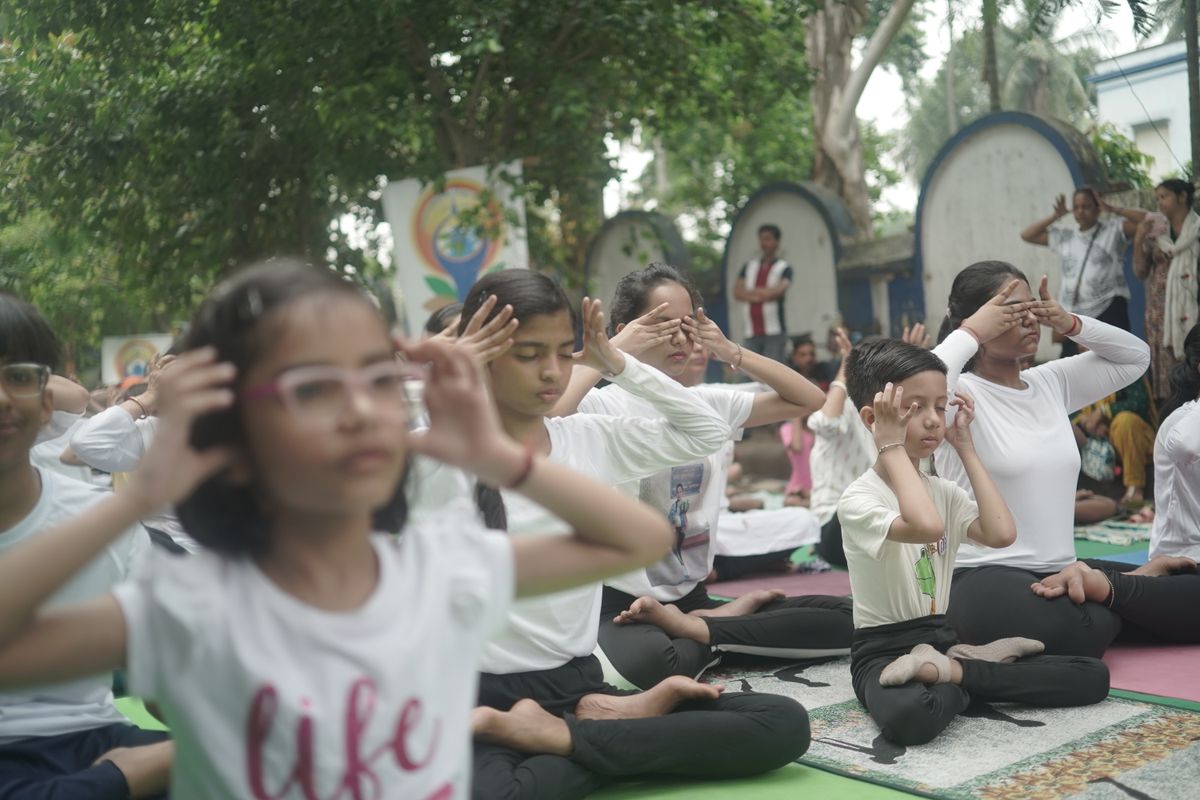
Breathe.
Be happy.
“Joy is not the reward. Joy is the beginning.”
— The Joy Yoga philosophyCreated by Dr. Amaneesh Saini
Founder of NeuroAyurveda & Joy Yoga for Kids™
Where happiness meets intelligence.
Joy Yoga for Kids™ – Little Souls in Motion is a unique child development programme created at Joyland Montessori School to nurture happiness, focus and intelligence. This joyful, movement-based routine helps young children cross the midline and build stronger mind–body coordination. Each day begins with playful activities that connect body and mind and help children settle into the classroom routine.
At Joyland we believe happiness is the foundation of intelligence. Joy Yoga brings this to life with a bright, energised start to the day: eyes-open external focus, rhythmic movement and mindful posture. The sessions feel like play. Through our “Little Souls in Motion” routine, children experience movement as joy, learning as play, and growth as a natural expression of their inner brilliance.
It is not just yoga. It is not exercise. It is not “one more class.” It is a heart-opening experience where children move, breathe, smile and discover how joyful their own body and mind can be. Built for tiny hearts, growing minds and curious bodies, every session is gentle, safe and playful, rooted in love, neuroscience and Montessori wisdom.
A space to feel happy, calm and themselves.
At Joyland, everything begins with joyful learning, and Joy Yoga is our way of bringing that joy to every child. Children today often feel rushed. They are surrounded by noise, stimulation and routines.
Joy Yoga for Kids™ brings them something rare: a space to feel happy, a space to feel calm, a space to feel themselves. This is why we do it.
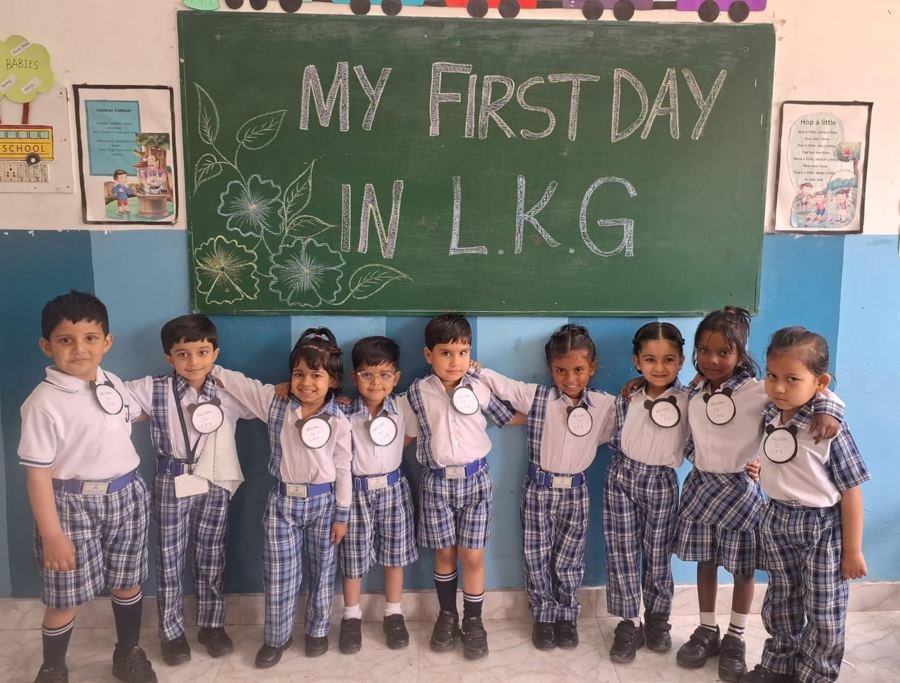
In just a few weeks, parents begin saying:
The three pillars of Joy Yoga for Kids™
1. Joy Rituals
Building happiness, emotional strength and confidence.
2. Brain-Building Movement (Midline Training)
Developing intelligence through playful, structured movement.
3. External Focus
Eyes open → looking out → creating clarity, stillness and presence.
Joy as the starting pointHappiness first → intelligence follows
I am strong.
I am ready.
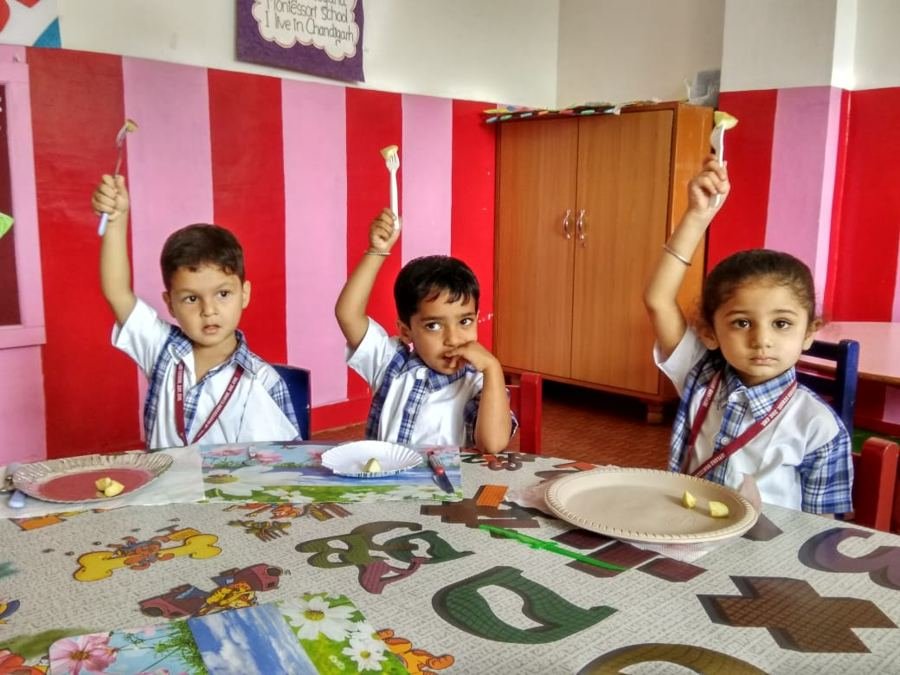
In Joy Yoga for Kids™ we begin every session with a ritual of joy, using child-friendly mantras like “I am happy. I am strong. I am ready.”
- Smiling
- Gratitude gestures
- Playful sound expressions
- Rainbow swing warm-ups
- Child-friendly mantras
- A joyful child learns better
- Joy activates the intelligence centres of the brain
- Emotional positivity makes the child feel safe
- Happiness opens the brain for memory, attention and social bonding
This is Joyland’s core philosophy: Joy is not the reward. Joy is the beginning. Children carry this emotional energy into their classroom learning, behaviour and social interactions.
Movement that builds the brainMidline training: playful movements that turn into intelligence
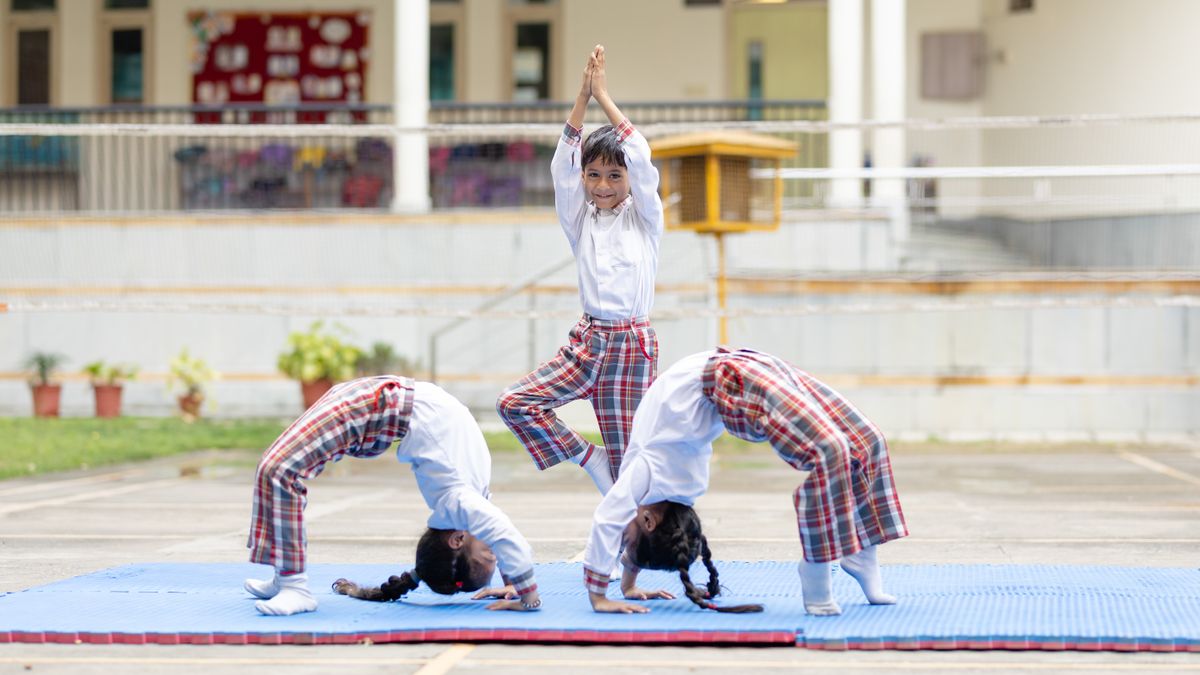
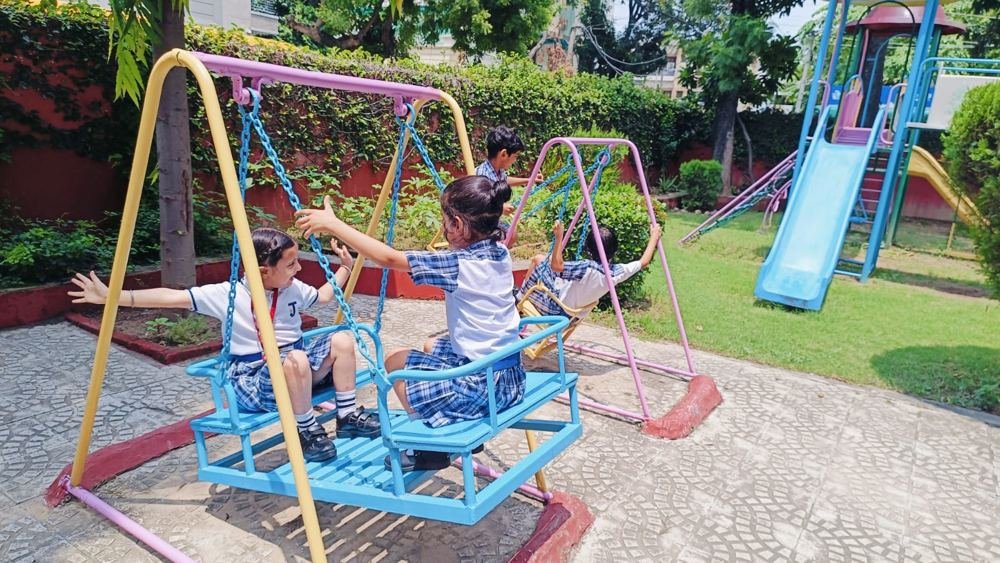
Movement is the foundation of brain development in early childhood. So Joy Yoga for Kids™ focuses on midline-crossing, bilateral stimulation and whole-body coordination. Signature Joy Yoga movements include:
- Cross Crawl March
- Opposite Hand–Foot Tap
- Rainbow Twist
- Figure-8 Arms
- Left–Right Bridge Movements
- Shoulder-to-Knee Touch
- Balance Walk on Lines
- They strengthen both brain hemispheres
- Build pre-reading and pre-writing pathways
- Improve handwriting, speech flow, sequencing
- Increase confidence and spatial awareness
- Help children settle and manage impulsive moments
Joyland’s understanding is that such movements strengthen the corpus callosum, the link between the brain’s two halves.
To the child, it’s fun play. To the brain, it’s powerful architecture.
External soul focusLooking out, not in. The signature identity of Joy Yoga for Kids™
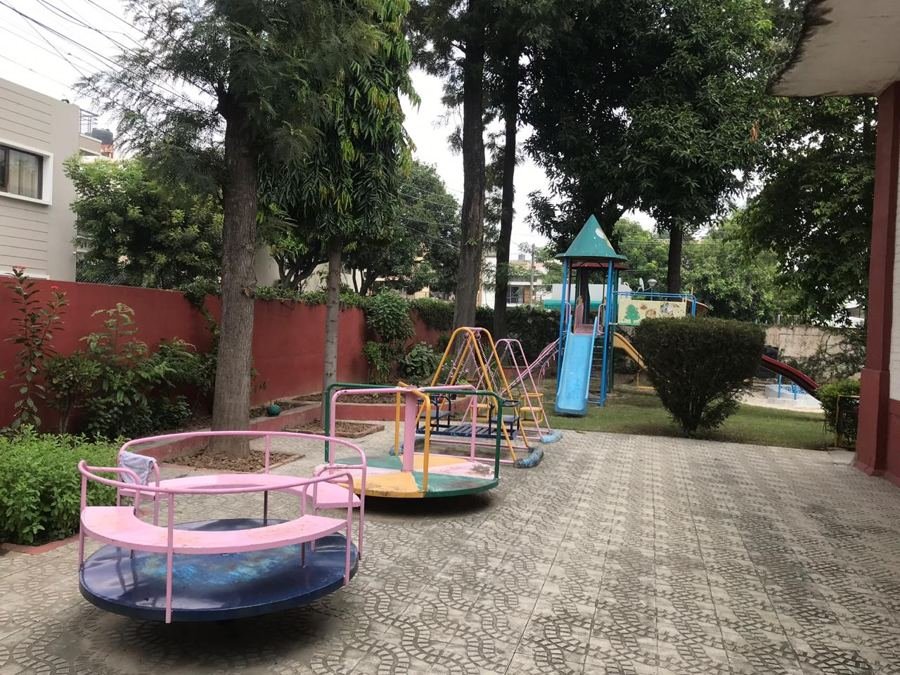
This is what makes Joy Yoga for Kids™ completely unique. Children are guided to focus their open eyes on something outside themselves:
- Clouds
- Birds
- Trees
- A horizon point
- A gentle moving object
- A rainbow swing band
- Calms wandering thoughts
- Reduces internal noise
- Increases attention span
- Builds inner stillness naturally
- Makes children grounded and open
- Aligns posture and breath without trying
“Thoughts are internal darkness. Soul is external light. We guide children toward the outer light.”
— The Joy Yoga philosophyInstead of making children close their eyes and go into the mind, Joy Yoga gently shifts them outward, into the world, into nature, into awareness. This is where true calmness begins.
How Joy Yoga for Kids™ empowers your child for lifelong happiness and intelligence
Happiness First
Joy unlocks intelligence.Better Focus
Eyes-open external awareness.Brain Development
Midline-crossing movement strengthens left-right coordination.Calm Mind
Natural emotional stability.Classroom Readiness
Improved attention, listening and task initiation.Confidence
Enhances self-belief and social warmth.How we use Joy Yoga in our classrooms.
To help parents understand how Joy Yoga for Kids™ works in real life, here is a simple 15-day routine we follow inside our Montessori classrooms. Children begin each morning with a short, joyful session: a blend of standing midline movements, eyes-open external focus and playful posture work. Our 15-Day Joy Yoga Midline Routine is shared so parents can see exactly how we build children’s focus in joyful, age-appropriate steps.
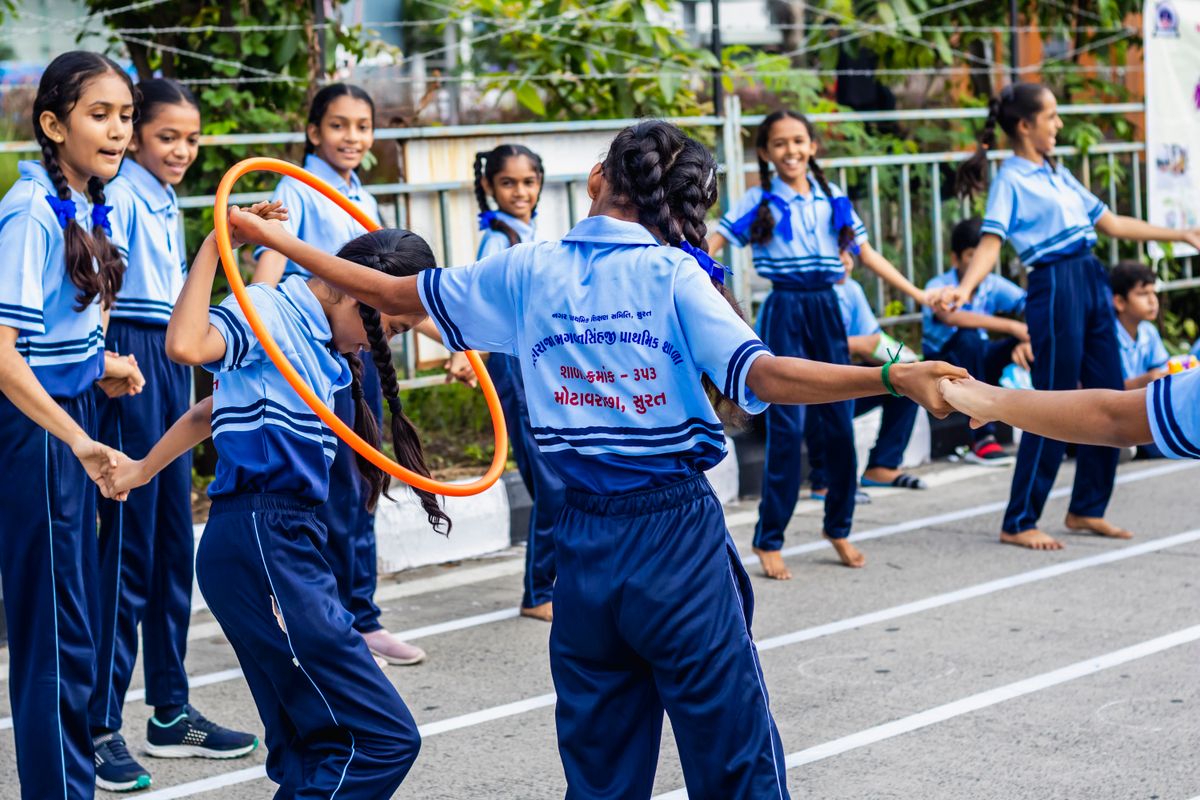
Standing midline movements we use every day
Simple, safe, quick movements designed for ages 2.5–6 years.
These movements strengthen the midline, improve balance and support reading readiness, emotional regulation and intelligence. (Joyland’s description)
Calmness & body awareness
Gentle start: helping children feel their bodies, settle emotions and enjoy movement.
- Day 1 · Cross-Crawl + Rainbow Swings
- Day 2 · Lazy 8 + Standing Twist Hug
- Day 3 · Cross-Body Toe Touch + Windshield Wiper Eyes
- Day 4 · Cross-Shoulder Taps + Twist-and-Look
- Day 5 · Tall-Tree Reach + Balloon Pick
Midline strength & balance
Introducing strength, cross-body coordination and stable posture.
- Day 6 · Cross-Crawl + Cross-Tap Heels
- Day 7 · Rainbow Swings + Window Wipers
- Day 8 · Lazy 8 + Shoulder Taps
- Day 9 · Twist-and-Look + Toe Touch
- Day 10 · Tall-Tree Reach + Cross-Crawl
Whole-brain activation
Integrating movement + focus to strengthen early learning skills.
- Day 11 · Toe Touch + Lazy 8
- Day 12 · Balloon Pick + Rainbow Swings
- Day 13 · Cross-Crawl + Twist-and-Look
- Day 14 · Window Wipers + Shoulder Taps
- Day 15 · Full Flow ↓
This flow activates left–right brain coordination, builds rhythm and lifts mood instantly. (Joyland’s description)
What parents may notice in 2–3 weeks.
Emotional & Behavioural
- More joyful and calmer mood
- Smoother transitions (arrival time, circle time, line-up)
- Reduced fidgeting, better sitting habits
Brain & Learning
- Stronger left–right brain coordination
- Better attention span
- Improved eye-tracking (reading readiness)
- Better memory and listening
Physical
- Improved posture and balance
- Better hand-eye coordination
- Stronger motor planning
Social & Confidence
- Happier interactions
- Increased self-belief
- More willingness to participate
These are classroom observations shared by Joyland, not clinical findings, and every child is different. Hear from our parents.
Sources cited on the original Joy Yoga page (not independently reviewed): Harvard Center on the Developing Child · EBSCO: movement and learning · midline crossing (ScienceDirect) · external focus (ScienceDirect)
Q1. Is Joy Yoga safe for all ages?
Yes. All movements are simple, gentle, and designed for preschoolers with full teacher supervision.
Q2. How does Joy Yoga improve focus in children?
Joy Yoga uses eyes-open external focus and midline-crossing movements, which, in Joyland’s experience, help calm the mind and support attention. It is a school routine, not a medical programme.
Q3. Does Joy Yoga help in academics?
Joyland’s view is that improved focus, coordination and emotional balance help children learn and take part well in class. We do not promise marks or specific results.
Q4. How long is each Joy Yoga session?
Just 8–12 minutes daily, integrated smoothly into the Montessori routine.
Q5. Do children need any yoga mat or special clothing?
No. Joy Yoga is done in regular school uniform and requires no extra equipment.
Q6. Does Joy Yoga replace traditional yoga?
No. Joy Yoga for Kids™ is specifically designed for early childhood brain development, not traditional yoga poses.
Q7. Who created Joy Yoga?
Dr. Amaneesh Saini, Founder of NeuroAyurveda & Joy Yoga for Kids™, developed it to enhance happiness, intelligence and emotional wellbeing in children.
Come and feel the joy.
Visit Joyland Montessori S.D S Public School, Sector 38-C, Chandigarh. Meet our teachers and ask us anything about Joy Yoga and admissions for 2027–28.